Signs of burnout at work: what to look out for
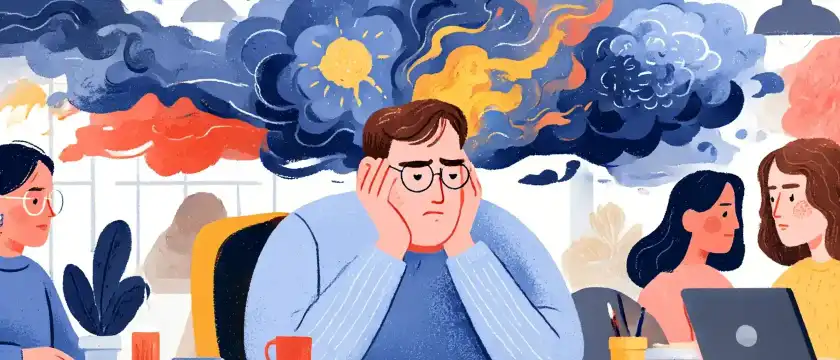
It’s normal to feel tired or irritable after a demanding project. What matters more is the bigger picture: whether these feelings keep coming back, whether they’re linked to work, and whether they ease after you rest. Possible signs of burnout can affect several areas of your life.
- Emotional exhaustion. It’s hard to get going in the morning, and even an ordinary meeting feels like the last thing you have the energy for. Even positive work events may no longer interest you as much as they used to.
- Detachment and cynicism. You want to avoid colleagues and clients, every request is irritating, and your work feels meaningless. This doesn’t necessarily say anything about your character: sometimes it’s a response to prolonged stress.
- Less confidence in your effectiveness. It’s harder to concentrate, make decisions, and finish familiar tasks. Mistakes or delays become a reason to criticize yourself harshly.
- Changes in sleep and well-being. You may experience insomnia, headaches, or a constant feeling of tension. These symptoms can have different causes, so don’t automatically assume they’re due to burnout.
For example, you used to reply to team messages without a second thought, but now you put off even a quick response and worry about it all evening. One day like this doesn’t mean much. But if it keeps happening for weeks and affects your work or life outside it, that’s a reason to pause and figure out what’s going on.
If you feel tired outside work, too, you can also check in with yourself by taking the “Am I Emotionally Exhausted?” quiz. It can help you reflect on how you’re coping with everyday demands.
Stages of burnout: how your experience may change
There’s no single agreed-upon sequence of stages that everyone goes through. The outline below is a useful way to check in with yourself, not a way to diagnose burnout or predict exactly how long recovery will take.
- Tension builds. You often work late, take on extra tasks, and put off breaks. You can already feel the fatigue, but it seems like all you need to do is finish the current project.
- Recovery gets harder. An evening or weekend gives you a brief boost, but then irritability and a sense of overload return. Your concentration slips, and familiar tasks take more effort.
- You start to distance yourself from work. You want to avoid meetings, find it harder to empathize with the people you work with, or struggle to see the point of your tasks. Work can feel like a constant stream of demands.
- Exhaustion gets in the way of everyday life. It becomes difficult to do your job, rest, or keep up your usual routine. At this point, it’s especially important not to rely on willpower alone and to reach out for support.
These experiences can overlap or happen in a different order. You don’t need to wait for some supposed final stage to get help: the sooner you notice that you’re overloaded, the sooner you can start changing things.
Why emotional burnout happens
Burnout isn’t just about the number of hours you work. It also matters whether you have a say in your work, whether expectations are clear, whether you have enough support, and whether the resources available match the effort required. For example, eight hours of constant urgent messages and conflicting instructions can feel harder than a demanding but predictable day.
Take a closer look at what’s adding to your workload:
- There’s more work than you can realistically finish during working hours, and priorities keep changing;
- You’re expected to be available in the evenings, but there are no clear rules about contact outside work hours;
- You have a lot of responsibility but little influence over decisions;
- Feedback is limited to criticism, or your manager’s expectations are unclear;
- You regularly deal with conflict, disrespect, or emotionally difficult situations.
Your personal circumstances also affect how much energy you have. For example, caring for someone close to you can leave less time to rest. But that doesn’t make work overload solely a personal problem. If your team routinely ignores boundaries or puts employees down, it may help to take a closer look at how healthy your work environment is.
For a few days, try keeping track not only of how much work you have, but also of the situations that make your stress spike. Maybe it’s not every meeting, but one recurring meeting with no agenda or clear outcomes. That kind of detail can help you discuss changes without reducing the problem to “I can’t cope anymore.”
How to recover from burnout
Recovery usually involves both rest and changes to the sources of stress. A weekend can give you a breather, but if the same urgent tasks and expectation of constant availability are waiting on Monday, rest alone may not be enough.
1. Take stock of your workload and choose a first step
Write down your current responsibilities and sort them into three categories: what has to be done, what can be postponed, and what you can drop or hand over. You don’t have to overhaul your whole life at once. Start with one action you can realistically take this week, such as canceling a nonessential meeting or setting aside time to work without notifications.
If even making a list feels difficult, ask a colleague or someone close to you to help sort through your tasks. The goal isn’t to find the perfect productivity system; it’s to reduce the pressure and see what options you have.
2. Talk about your working conditions in specific terms
Come prepared with facts: which tasks take up your time, what’s been added recently, and which deadlines overlap. Then offer a choice. For example: “This week I can finish the report or prepare the presentation. Which matters more, and what can be moved?” This kind of conversation shifts the issue from personal blame to how the work is allocated.
If talking directly with your manager doesn’t feel safe or hasn’t helped, consider other options available to you, such as HR, a more senior manager, or an employee representative. Keep important agreements in writing. At the same time, not everyone can quickly change jobs or cut their hours, so any plan for change needs to take your financial and family circumstances into account.
3. Make room for rest in your schedule
Start with the basics you can make more accessible: regular meals, a chance to sleep, and short breaks without work messages. Rest doesn’t have to be useful or impressive. For some people, it’s a quiet walk; for others, it’s peace and quiet at home or a conversation with someone close.
If possible, set a clear end to your workday—for example, by closing work chats after an agreed time. If you’re required to be on call, clarify exactly when you need to be available and who covers for you the rest of the time. Boundaries work better when you’ve agreed on them, rather than silently trying to live up to other people’s expectations.
4. Don’t face the problem alone
Tell someone you trust what’s going on and what kind of help you need: someone to listen, help you plan a conversation at work, or take on some of the household chores. “I need help with dinner on Wednesday” is often clearer than “I need support.”
If you’re not feeling better, or your condition is affecting your sleep, work, or ability to take care of yourself, talk to a doctor or mental health professional. They can help you understand what’s causing your symptoms and find the right support. If you’re thinking about harming yourself or aren’t sure you can stay safe, contact your local emergency services or seek urgent help right away, and tell someone you trust.
As you work toward recovery, it can help to notice small changes: are you falling asleep more easily, managing to take breaks, or feeling less tense before the workday? Setbacks can happen; they don’t mean your efforts were wasted. If you’re not seeing improvement, it’s worth reassessing your workload and seeking additional support.
Frequently asked questions
How is burnout different from ordinary fatigue?
Ordinary fatigue often eases with enough rest. Burnout involves exhaustion linked to prolonged work-related stress and may also involve detachment from work and a sense that you’re less effective. This is a guide for reflection, not a strict way to diagnose yourself.
Is burnout an illness?
In the World Health Organization’s International Classification of Diseases, burnout is described as an occupational phenomenon, not a separate illness. However, similar symptoms can occur with depression, anxiety, and other conditions, so it’s important to talk to a professional if your difficulties are severe or long-lasting.
Will taking a vacation help?
A vacation can give you a much-needed break and a chance to look at the situation from the outside. But it may not be enough if you return to the same overload, conflicts, or lack of control over your tasks. If possible, think ahead about what will change at work after your time off.
Do I need to quit my job if I’m burned out?
Not necessarily. Sometimes a change in responsibilities, more support, and clearer boundaries can help. If the conditions remain harmful and you can’t change them, looking for a different role or job may be an option. It’s best to make this decision with your well-being, available resources, and safety in mind.
Where to start
Burnout is a signal to pay attention to how you’re feeling and to your working conditions—not a reason to blame yourself. Start with the “Are You Burned Out at Work?” quiz to spot possible signs and think about a next step. The quiz is not a substitute for professional advice.
To take a closer look at your well-being and work environment, try one of these other quizzes: