What the houses and their mottos stand for
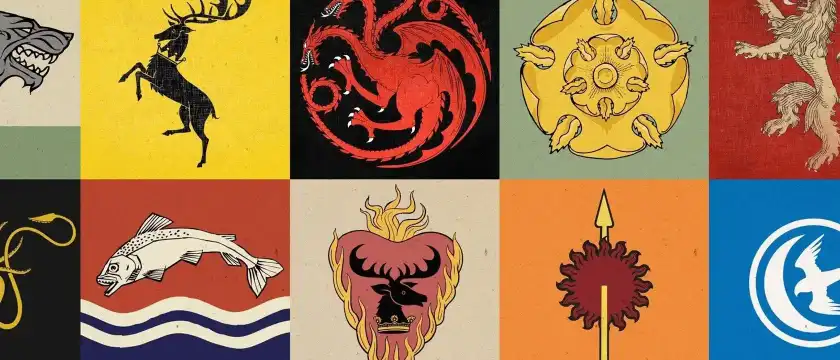
In the world of Game of Thrones, a house is a noble family with its own history, lands, and allies. Its banner and motto make it easy to recognize: together, they remind everyone who the family is and what it stands for. For members of a house, their ancestors’ reputation can be a source of pride—but it can also come with obligations.
A motto isn’t a detailed description of every member of a family. It’s more like a short statement of the house’s values or ambitions. Some words warn of danger; others promise loyalty to family or hint at strength. Yet characters often act in ways that defy what their name leads people to expect.
That’s why it’s more interesting to look for “your” house in the choices you make in everyday situations—not in your favorite character or the prettiest banner. When a plan falls apart, what matters most: keeping relationships intact, regaining control quickly, or taking a risk on a new solution? Each approach has its strengths—and its price.
It’s also worth remembering that the world of the show is brutal and deeply political. There’s no need to copy its characters’ tactics in everyday life. It’s enough to take familiar themes and see how they show up in your work, friendships, and family life.
Starks, Lannisters, and Targaryens: three different approaches
The Starks: “Winter Is Coming”
The Stark motto sounds like a warning: good times don’t last forever, so it pays to prepare for hardship. The northern house is associated with resilience, loyalty, and responsibility toward its people. The Starks believe it’s important to remember the consequences of your choices—even if that caution seems gloomy to others.
In everyday life, this approach might show up in someone who checks their documents before a trip, saves a backup route, and doesn’t abandon a friend in a difficult moment. The strength here is reliability. The potential pitfall is focusing so much on risk that you overlook the joy of the present and the opportunities that come your way.
The Starks may feel like your kind of house if you prefer clear agreements and see a promise as a commitment. But standing by your principles doesn’t have to mean being stubborn: sometimes changing the plan is another way to look after your people.
The Lannisters: “Hear Me Roar!”
The House of Lannister is associated with wealth, influence, and the struggle for status. Its official motto is “Hear Me Roar!”, though viewers may know another saying better: “A Lannister always pays his debts.” It’s a famous line about the house, not its official motto.
The Lannister approach is to read the balance of power and think several steps ahead. For example, before accepting a job offer, you clarify the terms, weigh your prospects, and aren’t afraid to discuss pay. This pragmatism helps you protect your interests. But wanting to control everything can make it harder to trust others, while a focus on status can distract from what people actually need.
Feeling a kinship with this house doesn’t mean you love intrigue. Maybe you’re simply good at negotiating, value independence, and prefer to have savings to fall back on. The question is whether you use your resources to support what matters—or make them an end in themselves.
The Targaryens: “Fire and Blood”
The Targaryens hail from Valyria and are known for their dragons, claims to power, and grand ambitions. Their motto conveys strength and determination, but also hints at the high cost of the struggle. The house’s history shows that boldness can lead to liberation—or destruction.
In a more peaceful setting, the Targaryen spirit might show up when you suggest an unconventional solution to your team or decide to change direction after a long period of doubt. You see opportunities where others see only the familiar order of things. The risk is getting swept up in a big idea and overlooking the people or details it depends on.
If you feel close to this house, ask yourself: are you ready not only to set change in motion, but also to take responsibility for what follows? A grand vision is more likely to succeed when it’s matched with patience and a willingness to listen to objections.
Other houses of Westeros and their values
The world of Westeros is bigger than its three best-known families. Other houses offer equally recognizable ways of looking at life:
- The Baratheons — “Ours Is the Fury.” Their motto speaks to force and a readiness to fight. In everyday life, that could mean standing up for a colleague right away or insisting that a problem be fixed. The downside is impulsiveness: before replying to an unpleasant email, it can help to take a breath.
- The Tyrells — “Growing Strong.” This house is associated with fertile lands, connections, and the ability to build influence. You can see this approach in the patient development of a project: first build relationships, then gather support, and only then expand. Just be sure not to let genuine collaboration become purely transactional.
- The Greyjoys — “We Do Not Sow.” The ironborn prize independence and scorn the familiar work of farming. In modern terms, this could mean a desire to do things your own way. Independence is useful, but refusing to cooperate or take responsibility for others can quickly cause problems.
- The Tullys — “Family, Duty, Honor.” Their values are right there in the motto: loved ones, obligations, and reputation. If your first thought is how a decision will affect your family or team, this motto may resonate with you. Just make sure caring for others doesn’t mean constantly giving up your own boundaries.
- The Arryns — “As High as Honor.” Their image is tied to their mountain lands and their sense of honor. In everyday life, that might mean trying to act fairly and not promising what you can’t deliver. But high standards can become a burden if you expect perfection from yourself and everyone else in every little thing.
- The Martells — “Unbowed, Unbent, Unbroken.” The Dornish house is known for resilience and its defense of independence. This principle can help you stand up for what matters, even under pressure. But resilience doesn’t rule out compromise: sometimes a more flexible route is the best way to protect your goal.
Translations of the mottos may vary slightly between editions and localizations. Their meaning remains recognizable, from the Starks’ stark warning to the Martells’ resolute declaration of independence.
How to tell which house feels like yours
Most people will recognize something of themselves in more than one house. You might be cautious with money like a Stark and still love ambitious projects like a Targaryen. To find the image that feels closest, look beyond a one-off mood and focus on the choices you make again and again.
- Think of a recent difficult situation. For example, a team project is running late and the deadline is getting close. Do you start by checking the risks, reallocating resources, proposing a bold new plan, or making sure the team doesn’t fall out?
- Work out what you’re trying to protect. It might be trust, independence, fairness, stability, or the ability to influence the outcome. There’s no “right” answer: you can see what you value by noticing what you’re willing to make an effort for.
- Notice how you react under pressure. One person gathers the facts and prepares a backup plan; another starts negotiating; a third takes action right away. Every approach can be useful in the right circumstances, but it can get in the way if you use it automatically.
- Consider the downside of your favorite strategy. Caution can delay a decision, while determination can lead you to overlook the consequences. Recognizing both the strength and the limitation will make your comparison with a house more accurate—and more interesting.
Picture one more scenario: your friends are choosing where to go on a group trip. Do you work out the costs and check the booking? Look for an option that suits everyone? Suggest an unexpected destination? There’s no single winner here: even one person may take a different approach depending on the circumstances.
The quiz invites you to explore your values and reactions through familiar characters and houses. It’s a fun way to reflect, not a personality assessment or a prediction of how you’ll behave. And if you want to keep playing with the characters, try “Which Game of Thrones Character Are You?” for a different take on the same world.
If you enjoy stories about choices and belonging, you might like other fictional worlds, too. The Hogwarts House Quiz lets you compare your choices with the houses’ values, while “Which Lord of the Rings Character Are You?” puts you in situations involving friendship, duty, and temptation.
Frequently asked questions
What is the official motto of the Lannisters?
“Hear Me Roar!” The saying that Lannisters always pay their debts is widely known, but it isn’t the house’s official motto.
Why is the Stark motto “Winter Is Coming”?
It’s a reminder of the North’s harsh conditions and the need to be ready for difficult times. As a description of the house, it also suggests caution and responsibility.
Can I relate to more than one house?
Yes. These are fictional identities, not strict categories: in different situations, you might relate to Stark loyalty, Lannister pragmatism, or Targaryen determination.
Do I need to know the show to take the quiz?
No. The questions are about values and choices in everyday situations. Knowing the story can help you recognize the houses, but you don’t need to have watched the show to answer.
Which house will you choose?
The mottos of Westeros’s houses reveal different sides of the same question: what really matters to you, and how do you respond when circumstances change? Take the main quiz at the beginning of the article to find out which house feels closest to you.
And if you’d like to keep exploring your favorite fictional worlds, choose another quiz from the collection.