Where Did the Connection Between Tarot and the Zodiac Come From?
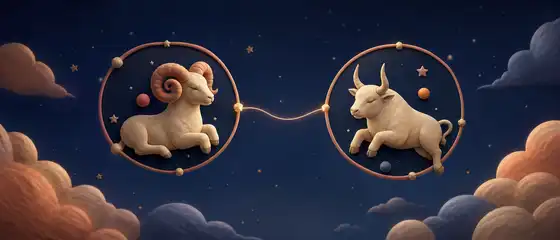
Tarot and astrology began as separate systems. Tarot cards were first used for games and later adopted for divination and symbolic practices. Astrology links the positions of celestial bodies to zodiac signs and themes in life. Over time, some esoteric schools brought these two systems together, pairing cards with astrological symbols.
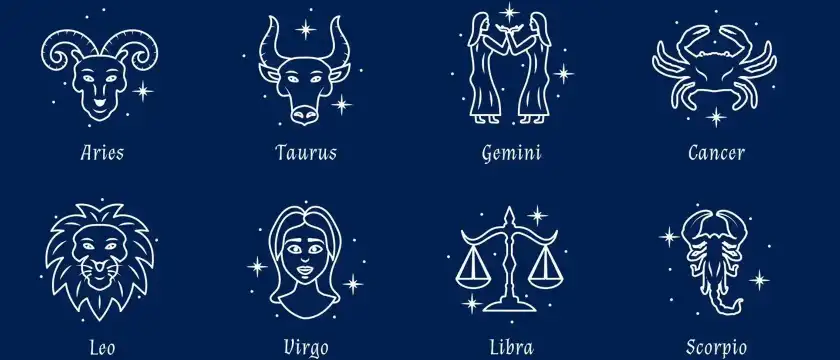
A standard Tarot deck has 78 cards, 22 of which are Major Arcana. They depict familiar themes: journeys, choices, change, and hope. There are only 12 zodiac signs, so the system doesn’t work on a one-card-per-sign basis. In a popular tradition, 12 Arcana are associated with the signs, while the rest are linked to planets and elements.
The associations below come from a tradition connected with the Hermetic Order of the Golden Dawn and the Rider–Waite deck. Other schools and custom decks may use different pairings. Even card names or numbers sometimes vary: Strength and Justice, for example, may be numbered VIII or XI in different decks.
It’s important to distinguish traditional associations from the result of an entertainment quiz. In a chart, each sign is assigned a familiar Arcana card; a quiz might suggest a different one if it better fits your answers. That’s not a mistake—the two approaches follow different rules.
The Major Arcana and the Zodiac: A Card for Every Sign
Think of these pairings as prompts for reflection, not definitive personality descriptions. Each example highlights one possible side of an Arcana card; it doesn’t have to describe everyone born under that sign.
- Aries — The Emperor. This card is associated with initiative, structure, and responsibility. For instance, when no one is willing to get a group project started, you might suggest a plan and divide up the tasks. The Emperor’s question: can you lead while still listening to others?
- Taurus — The Hierophant. Its themes include values, tradition, and learning. This might show up as a desire to master a tried-and-true method before experimenting. Consider which rules genuinely help you feel grounded—and which ones you follow simply out of habit.
- Gemini — The Lovers. This card is about more than romance: it also speaks to choices and aligning your values. Say you’re choosing between two appealing offers. The Arcana invites you to ask not only “Which one sounds more interesting?” but also “Which option fits my priorities?”
- Cancer — The Chariot. Its imagery is associated with movement and steering competing impulses. Even if comfort and security matter to you, sometimes you have to step beyond what’s familiar. Moving house, for example, can mean looking after loved ones while keeping your own goal in sight.
- Leo — Strength. Here, strength can mean patience and confidence in handling your emotions, rather than force. In a difficult meeting, calmly standing by your idea may work better than trying to shout everyone down. The card is a reminder that gentleness and determination don’t have to conflict.
- Virgo — The Hermit. This Arcana is associated with paying attention to your inner experience and finding answers on your own. When there’s too much information, taking a pause and checking the details can bring clarity. But the Hermit doesn’t call for isolation: after reflecting, it can help to talk through your conclusions with others.
- Libra — Justice. Its themes include balance, the consequences of decisions, and a fair assessment of circumstances. For example, when dividing up responsibilities, consider not just formal equality but also how much time each person has available. The card’s question: what criteria do you use to decide what’s fair?
- Scorpio — Death. In symbolic readings, this card usually represents endings and transformation—not a literal prediction of death. It might bring to mind changing jobs or letting go of a habit that no longer serves you. What could you release to make room for something new?
- Sagittarius — Temperance. This Arcana speaks to combining different approaches and finding the right pace. If you’re tempted to sign up for five courses at once, you could start with one and see how it fits your schedule. Temperance doesn’t curb ambition; it helps make progress more sustainable.
- Capricorn — The Devil. Despite its name, this card doesn’t mean there’s something wrong with you. It’s often associated with attachments, temptations, and limiting habits. For example, notice when the urge to control everything makes it hard to delegate tasks or take a break.
- Aquarius — The Star. This is an image of hope, renewal, and a guiding vision. After a setback, the card invites you to remember why you started and choose one small next step. A big idea becomes more practical when you know what you can do for it this week.
- Pisces — The Moon. This Arcana is associated with imagination, ambiguity, and things that are still hard to see clearly. If a friend’s message seems cold, there’s no need to jump to a worrying conclusion: you may not have the full context. The Moon suggests separating assumptions from facts and asking clarifying questions.
Start with the pairing on the list, but don’t rush to turn it into a label. No single card describes your whole personality: you can see both a strength and a possible challenge in it. The Emperor, for example, can remind you of your ability to organize things, while also prompting you to check whether there’s room for other people’s ideas in your plan.
Try this simple way to work with the image:
- Name the card’s theme. For Justice, it might be making choices based on clear criteria; for the Star, hope and direction.
- Think of a specific situation. Where has this theme come up recently—at home, at work, in your studies, or in a conversation with someone close to you?
- Ask an open-ended question. Instead of “Am I doing the right thing?”, try “What options haven’t I considered?” or “What would help me find balance?”
- Choose one small action. Write down your reasons, clarify another person’s expectations, or make time to pause before deciding.
If the image you get in the quiz doesn’t match your sign’s card, compare the two. Say your sign’s card is the Hermit, but your quiz result is the Chariot. The first might draw your attention to reflection, while the second points toward action. Together, they suggest a question: have you prepared enough to take the next step?
When Symbols Can Help—and When It’s Better to Check the Facts
Tarot imagery can be useful when you need to frame a question or look at a familiar situation from a different angle. Say you’re choosing between a steady schedule and a new project. Instead of searching for the “right” card, make a list of what matters: income, commute time, interest in the work, and time to rest. An Arcana card can suggest something to reflect on, but you should compare the actual offers.
The same goes for relationships. Symbols can sometimes help you talk about different expectations: one person may want spontaneity, while another prefers predictability. You could start that conversation with a zodiac compatibility quiz, then check your assumptions by talking with your partner—without treating the result as a verdict.
If you’re interested in other ways to describe habits, try the Wu Xing Five Elements quiz. The quiz about mythological gods and goddesses invites you to compare your decisions with mythological figures. These are different symbolic systems, so you shouldn’t expect their results to correspond directly.
Tarot and astrology aren’t scientifically validated ways to determine personality or predict events. Enjoy quizzes for fun and self-reflection, and make important decisions based on the circumstances and reliable information.
Frequently Asked Questions
Does each zodiac sign have just one Tarot card?
In the system described here, each sign is associated with one Major Arcana card. Other traditions may use different pairings, and a custom quiz may consider your answers and choose a result according to its own rules.
Why are there 22 Major Arcana but only 12 zodiac signs?
They’re different systems with different numbers of elements. In a popular scheme, some Arcana are associated with the signs, while others are linked to planets and elements, so there’s no need to assign a separate sign to every card.
What if my sign’s card doesn’t feel right?
You don’t need to make yourself fit the description. Notice what feels familiar and leave the rest: a symbolic image doesn’t have to reflect your experience exactly.
Does the Death card mean something scary?
Not necessarily. In symbolic interpretations, it usually represents the end of a phase and change. The card’s name shouldn’t be taken as a literal prediction.
Find Your Arcana
The connection between the Major Arcana and the zodiac is an interesting way to explore symbols and ask yourself new questions. Take the main quiz: choose your sign, answer a few questions, and see which card resonates with you.
And if you’d like to explore more symbolic imagery, check out this collection of other quizzes: