Introvert, extrovert and ambivert: what’s the difference?
Introversion and extroversion aren’t a switch with just two settings. In psychology, extroversion is seen as a trait that varies in degree: one person may generally enjoy lively socialising and busy surroundings, while another prefers a quieter pace and time to focus. How we behave also depends on the circumstances.
Introvert: more room to yourself
Someone with stronger introverted tendencies may prefer small groups, one-on-one conversations and time without social commitments. After several get-togethers in a row, for example, they might want to spend the evening at home, reading or working on a personal project. That doesn’t mean the get-togethers were unpleasant or that their loved ones don’t matter to them.
Introverts can enjoy public speaking, make jokes in a group and find it easy to meet new people. Social skills and the level of interaction you prefer are two different things. Being good at negotiating doesn’t mean you want to talk all day.
Extrovert: more interest in external activity
Extroversion often shows up as sociability, energy and a tendency to get involved in what’s going on. After work, for instance, someone might enjoy meeting friends or talking through ideas out loud, while spending a long time alone could feel boring.
That doesn’t mean an extrovert has to be the loudest person in the room. They may also need quiet, personal space and time to rest without other people around. Being sociable doesn’t make you immune to fatigue, and enjoying company doesn’t mean every person and event will suit you.
Ambivert: a mix of different tendencies
Ambivert is a handy word for someone who doesn’t fully identify with either end of the spectrum. In one situation, they may want to join the conversation; in another, they’d rather observe or spend time alone. After a quiet day, for example, they might happily head out to meet people, while after a conference they may opt for a relaxing evening.
Ambiversion isn’t a distinct “third type” with clear-cut boundaries. It’s more of an everyday way to describe a middle ground and flexible behaviour. It can look different from person to person, too: some people switch between social settings more easily, while others simply don’t have a strong preference in everyday situations.
How these differences show up in everyday life
At a party, one person might strike up conversations with new guests, another might settle in the kitchen for a long chat with a friend, and a third might mingle with everyone before taking a break. None of these scenarios defines someone’s personality on its own: a lot depends on their mood, who’s there and how familiar the setting feels.
It’s more useful to notice your recurring preferences across a few areas:
- Downtime. After a busy week, do you usually want to meet people on a whim, enjoy some peace and quiet, or choose what to do based on the circumstances?
- Talking through ideas. Do you prefer to think things over first, work them out as you talk, or use both approaches?
- Meeting new people. Do you like jumping straight into a conversation, or taking a moment to observe first? Does it feel different when you’re with people you know?
- Social demands. After a string of get-togethers, do you want to keep going, need a break, or find that it depends on the topic and who’s there?
Preferring time alone isn’t the same as being shy. Shyness involves feeling awkward or worrying about being judged in social situations, while introversion describes a broader set of tendencies. You can enjoy socialising and still feel nervous about meeting someone new; you can speak confidently in public and still prefer a quiet evening alone.
Likewise, the number of friends you have isn’t a reliable measure of extroversion. What matters isn’t just how many people are around you, but which interactions feel comfortable, how often you choose them and how you feel afterwards.
How to tell whether you’re an introvert or an extrovert
Rather than looking for one decisive sign, try observing yourself in different situations. You don’t need to rate every get-together as good or bad; the goal is to notice patterns that can help you find a rhythm that works for you.
- Think back over a few typical days. Consider conversations at work, time with friends and time alone. Which activities did you choose because you wanted to, and which did you do because you had to?
- Notice how you feel before and after socialising. After lunch with colleagues, is it easier to get back to work, or do you want some quiet time? Compare that with how you feel after a peaceful evening. One reaction doesn’t define your type.
- Separate the people from the setting. Maybe you enjoy long conversations with close friends but find noisy events tiring. Or perhaps group discussions energise you, while an intense one-on-one conversation drains you.
- Notice who takes the initiative. Do you suggest plans and conversations yourself, usually accept invitations, or do different things in different situations? Think not only about how often you socialise, but also about what you actually wanted.
- See what helps you recharge. Some people prefer a walk without conversation, others enjoy dinner with friends, while some need quiet first and company later. What works can change depending on how much you’ve been doing.
It can help to jot down a few quick notes after different events: what happened, how comfortable you felt and what you wanted to do afterwards. For example: “One-hour call about a complicated topic—need a break” or “Walk with a friend—lifted my mood.” Over time, you may see whether it’s the amount of social contact, the subject of the conversation, the noise or something else that makes the difference.
If your preferences seem mixed, don’t rush to pick a label. “Ambivert” might be a useful description—or you might find it more accurate to say, “I enjoy socialising in a small group, but I find it hard to spend all day in meetings.” That kind of description is often more useful than a single category.
Why you act differently in different situations
Imagine you’re happy to chat with friends but prefer to listen in a large work meeting. That doesn’t necessarily mean you’re secretly an introvert or an extrovert. At work, your behaviour may be affected by the topic, the status of the other people, how much responsibility you feel for what you say and whether you’ve had time to prepare.
If you want to explore your work habits specifically, try the “Am I an introvert or extrovert at work?” quiz. It invites you to consider how comfortable you feel in work situations separately from how you are with friends and family.
The type of task matters, too. You might enjoy being part of a team but focus better on your own; you might prefer working independently and still enjoy sharing ideas as they take shape. The “Are you a team player or a solo specialist?” quiz can help you think about that choice without reducing it to a question of introversion.
Fatigue, the role you’re used to playing, how safe you feel in a setting and how interested you are in the people you’re talking to can all affect your behaviour. Even someone who loves socialising might turn down an invitation after a long journey, while someone who’s usually reserved might talk enthusiastically about a favourite subject. So look at recurring patterns, not one unusual day.
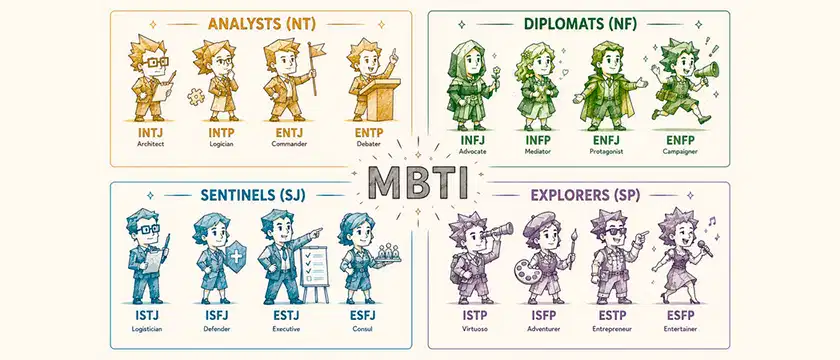
Another popular way to describe personality is the MBTI test, which includes an introversion–extroversion scale. You can use the result as a prompt for self-reflection, but it shouldn’t be treated as a definitive description of your personality or a guide for every decision you make.
A test isn’t a substitute for talking to a professional if emotional distress or difficulties with socialising are getting in the way of your life.
Frequently asked questions
Can you be both an introvert and an extrovert?
You may recognise traits of both descriptions in yourself. The word “ambivert” is often used for this, especially when your preferences change depending on the situation.
If I like people, can I still be an introvert?
Yes. Introversion doesn’t mean disliking people. You may enjoy close relationships and get-togethers, but need time to yourself after a lot of socialising.
Does your personality type change over time?
Personality traits are relatively stable, but not completely fixed. Your skills, circumstances and usual way of communicating can change, too, so you may behave differently now than you did a few years ago.
What if the quiz result doesn’t match how I feel?
Go back to the questions and think about which period or context you had in mind when you answered them. Treat the result as a prompt for reflection, not a diagnosis or a label you have to accept.
The key to understanding your communication style
You don’t have to fit the image of an introvert, extrovert or ambivert perfectly. What matters more is understanding which people, settings and breaks help you feel comfortable. Take the main social energy quiz to start paying attention to these patterns.
For more self-discovery, try these other quizzes, too: