What is the DISC model, and what does the test show?
DISC is a tool for describing habitual ways of behaving. Its name comes from the first letters of the English words Dominance, Influence, Steadiness, and Conscientiousness. These terms are translated in different ways, so it’s more useful to focus on what each style means than on its label.
The model generally looks at how actively someone takes action and what they pay attention to first: tasks and results, or people and relationships. These aren’t rigid categories, but a useful way to compare different preferences. For example, in a meeting, one person might suggest a solution straight away, another might ask for details first, and a third might check whether everyone is ready to support it.
The DISC test asks about typical reactions at work, in conversations, and during conflict. Your results depend on your answers and reflect your self-perception, not an objective “verdict.” Your role, mood, and circumstances can all affect your answers: how you behave on a rush project may not match how you spend your weekends.
DISC doesn’t measure intelligence, professional suitability, or mental health. Its results shouldn’t be the sole basis for hiring, firing, or evaluating relationships. The test is not a substitute for professional advice.
The four DISC styles: strengths and possible challenges
D — decisiveness and results
The D style often shows up as a drive to act quickly, take responsibility, and move toward a goal. In an unclear situation, someone with this style may suggest a plan, assign tasks, and make a decision without waiting for everything to be perfectly clear.
Strength: a willingness to overcome obstacles and stay focused on results. Possible challenge: acting too quickly or being overly direct, which can leave important details and other people’s feelings overlooked.
For example, a project is due to launch in two days, but the team is still debating the wording. Someone with a D tendency might suggest choosing a workable option now and refining it after launch. A useful addition to this approach is to ask whether there are any critical risks before making the final call.
I — communication and influence
The I style is associated with energetic interaction, sharing ideas, and engaging people. In a discussion, someone with this style often helps get the conversation started, spots opportunities to collaborate, and keeps the group interested.
Strength: the ability to connect with people and inspire them. Possible challenge: getting carried away by a new idea and not paying enough attention to deadlines, details, or following through.
For example, an unexpected idea for an event comes up in a meeting. Someone with an I tendency quickly suggests a format and brings colleagues on board. To make sure the idea doesn’t remain just talk, it helps to end the meeting by writing down who will check the budget, timeline, and next steps.
S — steadiness and collaboration
The S style is associated with consistency, patience, and consideration for other people’s needs. Someone with this style may prefer clear agreements, a steady pace, and changes they have time to prepare for.
Strength: reliable collaboration and support for the team. Possible challenge: putting off an uncomfortable conversation or resisting sudden changes, especially when the reason for them isn’t clear.
For example, a team is switching to a new program. Someone with an S tendency may help colleagues get settled, but first want to understand how the usual process will change. It helps to raise any questions in advance and say how much time they’ll need to make the transition.
C — accuracy and quality
The C style is associated with attention to facts, standards, and details. Someone with this style may prefer to understand the task requirements, check the data, and only then suggest a solution.
Strength: thoroughness and an ability to spot mistakes. Possible challenge: taking a long time to gather information or setting standards that are hard to meet within the time available.
For example, before sending a report, someone with a C tendency double-checks the figures and spots a discrepancy. To keep the review from dragging on, it helps to agree in advance on which errors are critical and when the report needs to go out.
How to use DISC at work and in conversations
The main benefit of the model isn’t guessing someone else’s letter; it’s finding a clearer way to interact. Don’t assume that someone’s preferences always match their style description—check by asking questions.
Discuss tasks and decisions
If speed matters to the other person, start with the goal, the deadline, and the decision you need from them. If they ask lots of follow-up questions, have the data, quality criteria, and time to review it ready. In either case, you can ask directly: “Would you rather discuss the overall plan first or go through the details?”
Imagine you need to choose a contractor. Instead of a long email thread, offer two options, briefly outline the cost and risks, and attach the detailed materials separately. That way, everyone can get the level of detail they need, rather than only the amount that suits you.
Agree on how to handle changes
Some people find it easier to get involved when they can see the possibilities and talk an idea through. Others need to understand exactly how their responsibilities will change and what support will be available. When sharing news of a change, explain why it’s happening, what outcome to expect, how the transition will work, and where people can ask questions.
If you’d like to take a closer look at your own behavior on a team, take the “What Kind of Colleague Are You at Work?” test. It offers another perspective on initiative, cooperation, and communication habits.
Work through conflict without labels
Different expectations about the process may be behind the tension. One person wants to resolve the issue today; another thinks there isn’t enough information yet. Instead of saying, “You’re always rushing me” or “You’re overcomplicating everything,” name the specific disagreement: “We need an answer by Friday, but the budget hasn’t been checked yet.”
Then identify the shared goal and agree on the minimum checks needed. DISC may help explain why people prefer different approaches, but it doesn’t determine who’s right—that depends on the facts and the consequences of the decision.
How to get the most out of your DISC test results
- Answer based on your usual behavior. Choose what you actually do in most similar situations, not what seems right or expected for your role.
- Read the full description. Consider both the strengths and the possible limitations. Ask yourself when the description rings true and where it might need more context.
- Think of a specific example. If your result points to a focus on quality, think of a recent task: did checking the work help you avoid a mistake, or make it harder to meet the deadline? Either can be true.
- Choose one action. For example, check for risks before making a quick decision, or agree on a deadline before starting a lengthy review. A small experiment is more useful than trying to change your whole personality.
- Ask for feedback. Talk to someone you trust about whether they notice the pattern you’ve identified. Ask open-ended questions, and be ready to hear more than just confirmation of your result.
Your result is especially useful as a conversation starter. For example: “I work more easily when the criteria are clear. Could we agree on them before we start?” That’s more specific and constructive than explaining every preference with “That’s just my type.”
If you manage people, compare your observations with the results of the leadership style test based on Daniel Goleman’s model. It focuses on leadership behavior and looks at it from a different angle than DISC.
Frequently asked questions
Is DISC a personality test?
It’s often called one, but it’s more accurate to talk about behavioral styles. DISC describes habitual ways of interacting, not a person’s whole personality, abilities, or values.
Can someone have more than one DISC style?
Yes. People usually show a mix of tendencies, with one or more coming through more strongly. You may also behave differently at work and at home.
Which DISC style is the best?
There’s no universally best style. Speed is useful in an urgent situation, thoroughness when checking data, and support and the ability to engage people help with collaboration. What matters is the task and the context.
How is DISC different from MBTI?
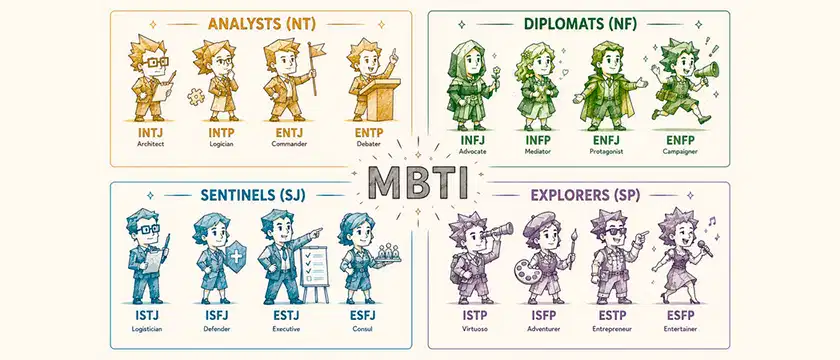
They’re different models with different scales and descriptions: DISC focuses on behavioral styles, while MBTI offers a typology of preferences. You can compare the approaches by taking the MBTI test. Results don’t translate directly from one system to the other.
What to remember
DISC can help you recognize your habitual behavioral style and try more effective ways of interacting. Treat your result as a prompt for reflection, not a label. Take the main test to find out which style is most prominent for you and get ideas to put into practice.
If you’d like to explore your work and personal preferences further, try these other tests: