Step 1. Think about the life you’re dressing for
A great outfit only works if it fits into your life. Think about a typical week: how much time do you spend at work or school, out walking, traveling, meeting people or attending events? Write down what your week is really like, not what you wish it looked like. If you spend most of the day on the move, your clothes and shoes shouldn’t get in the way of walking, bending down or using public transport.
Now think of the clothes you feel especially good in. Maybe it’s a loose shirt, soft knitwear or straight-leg trousers. Break down what you like about them: is it the fit, the fabric, the color, the freedom to move or how easily they go with the rest of your wardrobe? These details give you more useful guidance than simply saying, “I like to be comfortable.”
Choose three words to describe how you want your outfits to feel. For example: calm, put-together, comfortable or bright, relaxed, unusual. The words don’t have to point to a specific fashion aesthetic. Their purpose is to help you make choices.
Say you like the look of tailored suits in photos, but you work from home and go for walks most days. Instead of buying a full suit, try one element: a structured blazer over a T-shirt and straight-leg jeans. You’ll get the mood you like, without dressing for a life you don’t lead.
Step 2. Collect visual inspiration
Put together a small collection of outfits: save photos from magazines, films, online stores and social media. Don’t just pick looks that photograph well—choose ones you’d actually be willing to try on. A few dozen examples are enough to reveal patterns.
Look at your collection as a mix of details. Which silhouettes show up most often: loose or fitted? Do you like monochrome outfits, contrasting colors, statement jewelry or layers? Write down what you notice and compare it with the words you chose in step one. If your saved looks feature lots of vintage jackets, denim and simple T-shirts, you may like pairing one distinctive piece with a neutral base.
Next, pick two or three ideas to try out. For example, roll up your shirt sleeves, add a belt or pair a simple outfit with a bright bag. Start with clothes you already own. That makes it easier to tell whether you like the idea in real life, not just in a photo.
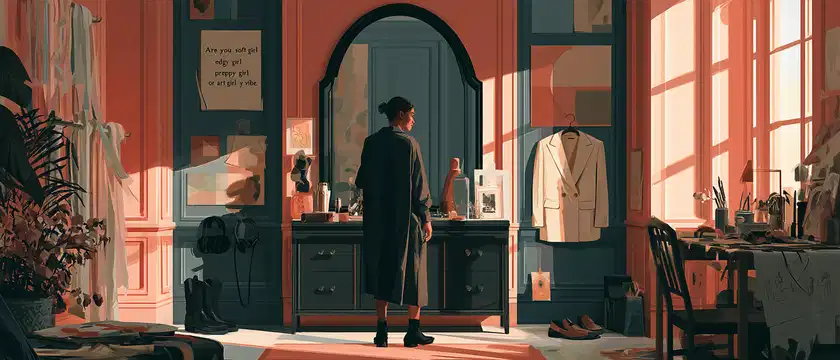
You don’t have to copy an entire outfit or commit to one aesthetic forever. Minimalism can work with vintage details, and sneakers can go with a classic coat. If you’d like a clearer idea of your preferences, try the “What’s Your Aesthetic Style?” quiz. Think of the result as a starting point for experimenting, not a list of rules.
It’s also useful to keep track of ideas that didn’t work. Note what felt off. Maybe you liked a layered outfit, but got too warm indoors. Next time, you could create a similar look with lighter fabrics.
Step 3. Sort through your wardrobe at your own pace
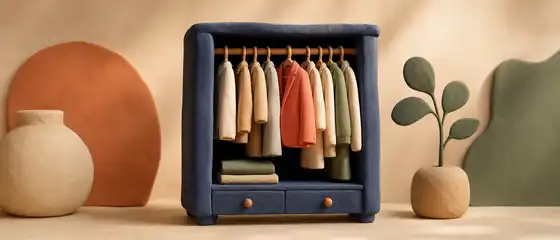
Take out the clothes for the current season and sort them into three groups: wear often, like but rarely wear, and don’t wear. Try on anything you’re unsure about in front of a mirror. See how it feels when you move: can you raise your arms, sit down and walk comfortably? Check whether anything needs altering, cleaning or repairing.
For each item in the “like but rarely wear” group, figure out why it doesn’t get worn. Maybe you don’t have the right shoes for a skirt, a shirt is too sheer or a favorite blazer needs a small repair. Sometimes all it takes is a new combination, not a new purchase. For example, try wearing a dressy shirt with jeans and everyday shoes.
- Keep within easy reach the things that suit you now and work with other items in your wardrobe.
- Set aside for repairs or alterations the clothes you’d like to wear once they’ve had a little attention.
- Put somewhere separate anything you’re not ready to decide about, and come back to it later.
- Donate, sell or recycle anything you no longer have a use for.
Finally, make a list of what’s missing, based on outfits you actually wear. Instead of “I have nothing to wear,” try “I have two pairs of trousers, but I’m short on tops for warm weather.” Take this list with you when you shop. It doesn’t rule out spontaneous purchases, but it can help you tell the difference between something that solves a real problem and an appealing but random find.
Step 4. Build a wardrobe of essentials for your needs
A wardrobe of essentials is made up of clothes that are easy to mix and match and work for your everyday life. It doesn’t have to include a white shirt, a beige trench coat and black pumps. For one person, the essentials might be jeans, T-shirts and sneakers; for another, knit dresses, opaque tights and boots.
Start with a few everyday categories: bottoms, tops, an extra layer, shoes and seasonal outerwear. See if you can put together different outfits from what you have. For example, straight-leg trousers could work with a T-shirt and sneakers for a walk, a shirt and loafers for a meeting, or a soft sweater and boots on a chilly day.
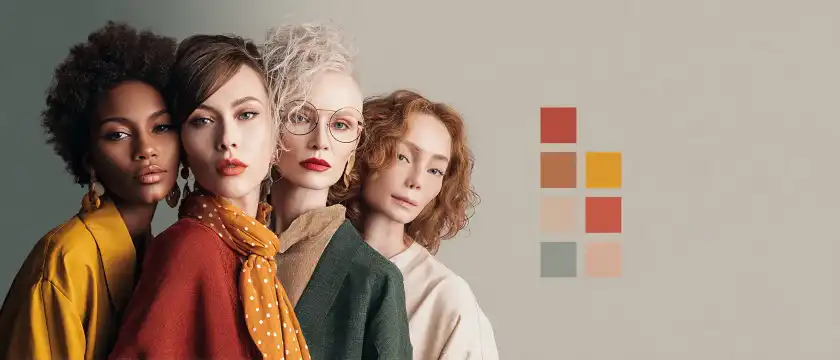
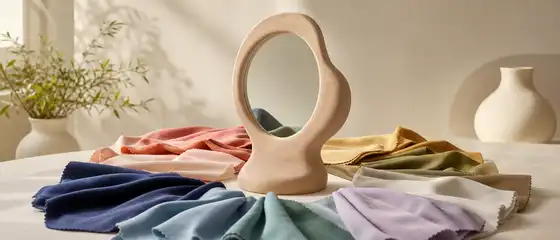
To make mixing and matching easier, choose a few colors you like together. Your base might be navy, cream and gray, with coral as an accent. This isn’t a strict palette—it’s just a guide to how a new item might fit with the outfits you already own. To learn more about shades that may complement your coloring, take the “What’s Your Seasonal Color Type?” quiz. If the result doesn’t match your favorite color, keep wearing what you love.
Before buying something, check three things: does it fit well, does the fabric feel comfortable and can you make at least a few outfits with clothes you already own? Think about care, too: if a garment is hard to wash or iron given your routine, it may end up staying on the hanger. When shopping online, check your measurements against the retailer’s size chart and review the return policy.
Step 5. Experiment and see what works
Dressing well doesn’t mean putting together a complicated outfit every day. Often, all you need is a familiar combination and one distinctive detail: an unusual belt, a colorful scarf, an interesting pair of glasses or a jacket with a striking silhouette. Jeans and a plain sweater, for example, will look different with sneakers and a backpack than they will with boots and a structured bag.
Try making small changes to your usual outfits over the course of a week. Add a contrasting color one day, swap a loose top for a more structured one the next or wear an extra layer over your T-shirt. If you like, take photos of your outfits for yourself: a picture can help you notice proportions and remember a combination that worked. How you feel at the end of the day matters just as much as what you see in the mirror.
After each experiment, ask yourself a few questions:
- Did I keep adjusting my clothes, or could I go about my day without thinking about them?
- Did the outfit work for the weather and my plans?
- Which detail did I really like, and which one felt unlike me?
- Would I wear this outfit again, and what would I change?
An outfit that doesn’t work is useful, too: it helps you understand your preferences. If a bright blazer felt like too much, maybe you’d enjoy that color in shoes or an accessory. And if a tailored outfit feels too formal, try softening it with a T-shirt or knitwear. Your style can change with your job, climate, budget and tastes—it’s completely normal to rethink it.
Frequently asked questions
How do I find my style if I like lots of different things?
Look for details that come up again and again, rather than trying to find one label: colors, textures, silhouettes or moods. Start by combining two things you like, such as a vintage jacket with a simple, modern T-shirt. Different influences can all belong in a wardrobe that feels like you.
Can I dress well on a small budget?
Yes. Start by putting together new outfits from what you already own and see which pieces are worth repairing. You can look for anything missing in sales, secondhand shops or resale marketplaces, using your list as a guide.
How many items should a wardrobe of essentials have?
There’s no universal number. It depends on your climate, lifestyle, laundry routine and preferences. What matters more is having enough clothes for a typical week and being able to mix and match them.
Do I need to follow trends?
No. Trends can give you fresh ideas, but only buy something if you like it and it works with your wardrobe. You can also try a trend using clothes you already own.
Your style starts with you
Pay attention to your habits, collect inspiration and try ideas out in real life. For a personalized starting point, take the “Which Style Suits You and How Can You Find Your Look?” quiz.
And if you’d like to keep exploring your preferences, try these quizzes, too: